Anatomical Heart Embroidery Design Review
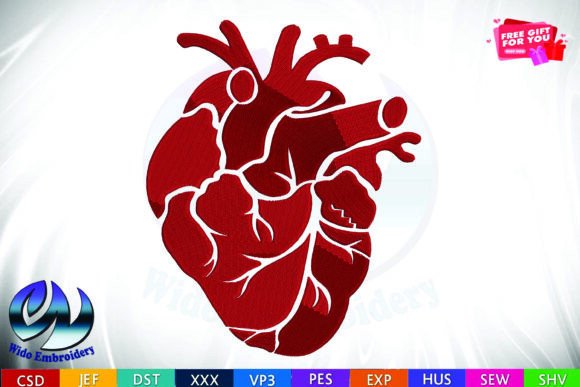
As an embroidery designer who's worked with countless digital files, I've learned to assess not just the visual appeal of a design, but how it translates into real-world stitched projects. When I first opened the Anatomical Heart Embroidery Design, I was struck by its clean lines and educational tone. It’s not your typical heart shape—it’s detailed, precise, and clearly meant for a more mature or professional audience. The anatomical elements like chambers, valves, and blood vessels are rendered in a way that feels informative yet artistic. This isn’t a design you’ll see on every kid’s backpack; it has a distinct personality that leans toward medical themes, wellness branding, or even high-end personalized gifts.
First Impressions: A Design That Speaks Volumes
The Anatomical Heart Embroidery Design immediately conveys a sense of professionalism and intentionality. Its structure suggests it was created with accuracy in mind, making it ideal for those working in the healthcare field, creating merchandise for a wellness brand, or designing custom items for boutique clients who appreciate meaningful symbolism. The layout is balanced, with a central focus on the heart’s internal anatomy, which gives it a grounded, almost scientific feel. Despite this, it retains enough softness in its curves to remain visually appealing rather than clinical.
I imagine this design looking particularly striking when used as a logo applique on a white lab coat or a branded t-shirt for a physical therapy clinic. It also could work beautifully on tote bags for nurse gift baskets or as part of a set of handmade products aimed at self-care enthusiasts. The detail level invites closer inspection, which means it can elevate the perceived value of any project it's applied to—whether it's a custom apparel piece or a sweatshirt embroidery design for a small shop product.
Real-World Performance Across Projects
In my experience, the true test of any machine embroidery design lies in its adaptability. The Anatomical Heart Embroidery Design passed the initial check in several formats, which is always reassuring. Here’s how it performed across different applications:
- Tote Bag Design: Stitched well on medium-weight cotton canvas, especially with a satin stitch outline and fill stitch interior. The details were crisp, and the overall look felt premium.
- Baby Embroidery: On a soft muslin onesie, the design looked delicate and refined. However, due to the density of some areas, I’d recommend using light stabilizer to avoid puckering.
- Custom Apparel (Sweatshirts): The larger sizes held up nicely on sweatshirts, though I noticed that very dark fabric backgrounds made some of the finer lines less visible. Thread color contrast is crucial here.
- Embroidered Patch: As a patch, the design had great definition and would make a strong statement on denim jackets or aprons. Again, stabilizer was key for maintaining clarity.
- Nursery Decor: Used on a pillow cover, it added an elegant touch to a modern nursery setup. The size options allowed me to scale it appropriately without losing quality.
- Holiday Gifts: Applied to a tea towel, it became a unique and thoughtful addition to a holiday basket. The design felt both festive and meaningful.
What stands out is how versatile the embroidery file seems. It’s designed with multiple uses in mind, from commercial embroidery jobs to personal touches in handmade goods. For Etsy sellers and craft fair product creators, this kind of flexibility is invaluable.
Where Caution Is Advised
While the Anatomical Heart Embroidery Design is impressive, there are specific situations where it might not perform optimally. These aren’t deal-breakers, but they do require attention to detail before moving forward:
- Small Hoop Sizes: The intricate features may become lost if you try to fit the design into too tight a space. Always confirm the minimum hoop size required for the smallest version.
- Textured or Stretchy Fabrics: Due to the complexity of the design, I found it best suited for stable, non-stretch materials. On stretchy knits or flannel, some parts of the design didn't lay flat, affecting the final presentation.
- Thin or Dark Fabric: Thin fabrics can show through the back, especially with dense stitching. Dark backgrounds also risk muting the subtleties of the heart’s inner workings, so thread selection becomes critical.
- Curved Surfaces (Caps/Hats): The symmetry of the design works better on flat surfaces. If you’re planning to use it on a curved cap, consider adjusting placement or scaling down significantly.
- Detailed Corners & Tiny Lettering: While the main design is robust, if your version includes text or small annotations inside the heart, be sure to test them separately. Some corners might need extra care to prevent distortion.
If you're aiming to create something truly professional, these considerations will help you avoid common pitfalls and ensure the finished product looks exactly as intended.
Visual Appeal and Brand Impact
Visually, the Anatomical Heart Embroidery Design brings a subtle sophistication to any item. It’s not flashy or over-the-top, but it does command attention in a quiet, intelligent way. This makes it perfect for design assets that need to reflect trustworthiness or thoughtfulness—like gifts for doctors, nurses, or health-focused businesses.
Stitching clarity is one of the standout features. The balance between running stitch outlines and fill stitch interiors allows for a clear representation of the heart’s anatomy without overwhelming the fabric. This clarity enhances the product value, as customers can tell the design was carefully crafted and professionally executed.
From a branding perspective, this design helps establish a consistent visual identity. Whether you're an apparel decorator or a digital product seller, having a design that looks cohesive across various items—from patches to quilt blocks—can strengthen your brand consistency. And let’s face it, when a customer sees a finished item with this design, their trust in your craft increases. It shows you know what you're doing, whether you're making a personalized gift or selling small shop products.
Designer Tips for Real Project Use
Before committing to a full production run or listing the Anatomical Heart Embroidery Design in your Etsy shop, take these steps to ensure the best outcome:
- Test on Scrap Fabric First: Especially if you're new to the design or using it on a new type of material. You'll get a much clearer idea of how the stitches behave under tension.
- Check Thread Color Contrast: The design relies on subtle shading for depth. Make sure your chosen colors stand out against the background fabric.
- Review Stitch Density: Dense areas can cause puckering or stiffness. Adjust settings based on your machine and fabric type.
- Confirm Hoop Size: Each size likely has a recommended hoop dimension. Ignoring this could lead to misalignment or missed stitches.
- Inspect Small Details: Zoom in on the design preview to catch anything that might get lost during stitching, like tiny vessels or labels.
- Use Proper Stabilizer: Even with good machine settings, stabilizer is essential for preserving the integrity of the design, especially on stretchy or thin materials.
- Test Black and White Mockups: Before finalizing thread colors, check how the design reads in grayscale. This ensures visibility even if the final product doesn’t use bright hues.
- Compare Light and Dark Backgrounds: The design’s impact varies depending on fabric color. Test both extremes to see how it performs.
- Verify Commercial Use Licensing: If you're planning to sell items featuring the design, double-check the license terms. Some files come with restrictions, and you don’t want to run into legal issues later.
These steps might seem tedious, but they’re part of the process when you want your embroidery project to shine—not just technically, but aesthetically and commercially.
Final Thoughts for Crafters and Entrepreneurs
The Anatomical Heart Embroidery Design is a standout choice for anyone looking to add a touch of sophistication and meaning to their embroidered creations. Whether you're preparing a custom sweatshirt for a client, crafting a holiday gift, or building a line of small shop products, this design offers both artistic and practical value.
Its ability to enhance handmade presentation and giftability makes it a favorite among creative entrepreneurs who want to offer something unique. The design’s educational undertones also open doors for niche markets—think yoga studios, wellness retreats, or even science-themed party supplies.
However, it’s important to approach it with care. The stitch density and detail level mean it won’t work equally well on all materials or in all contexts. But when used correctly, it adds a level of professionalism and recognition that can make your embroidery project stand out in a crowded market.
If you're considering adding this to your collection of digital embroidery files, I encourage you to give it a try—but keep your eye on the specifics. Check the provided hoop sizes, review the thread colors, and make sure the license covers your intended use. Once you’ve done that, you’ll be ready to create something memorable and meaningful with the Anatomical Heart Embroidery Design.