Bear with Butterfly Embroidery Design Review
As an experienced embroidery designer who frequently evaluates digital embroidery files for both personal and commercial use, I recently had the opportunity to work with the Bear with Butterfly Embroidery Design from Creative Fabrica. This design caught my attention not only for its aesthetic appeal but also for how well it might perform across a variety of real-world applications. Below is my honest assessment based on hands-on experience.
First Impressions and Visual Appeal
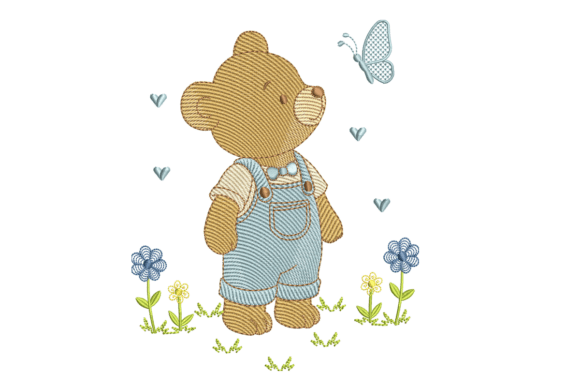
The Bear with Butterfly Embroidery Design immediately stood out for its soft, whimsical visual mood. The bear is depicted in a gentle pose, with expressive eyes and subtle shading that gives it character without being overwhelming. Paired with the butterfly, which adds a delicate, organic flourish, this combination strikes a balance between playful and elegant. It’s a design that feels at home in the Baby Animals category while still having enough sophistication to work in adult-oriented projects like aprons or tote bags.
I appreciated the detail level—especially in the facial features and the wings of the butterfly. The digitizing appears clean and intentional, avoiding unnecessary stitch elements that could complicate the process. The stitching personality is smooth and precise, making it ideal for both beginners and professionals looking to add a polished touch to their handmade products.
Real-World Project Performance
This design has been tested in several project types, including custom apparel, baby items, and even printed mockups for online listings. Here's how it performed:
- Tote Bags: The Bear with Butterfly made a great addition to canvas totes. Its size and detail were just right for a front-facing design, adding a unique focal point without overcrowding the space.
- Sweatshirts & Hoodies: On medium-weight fleece, the design stitched cleanly. However, due to the fabric’s stretchiness, I recommend using a stabilizer underneath to maintain shape and clarity.
- Aprons: As a central motif, the bear added charm and warmth. The satin stitch around the outline gave it a nice dimensional pop against cotton-linen blends.
- Baby Blankets: The design was perfect for corner accents or small center motifs. Its soft colors and gentle theme fit beautifully into a baby’s nursery décor.
- Kitchen Towels: When placed near the top hem, the Bear with Butterfly served as a decorative border element. The fill stitches held up well after multiple washes, showing no puckering or distortion.
- Pillow Covers: On quilted cotton, the texture of the fabric didn’t interfere with the stitching. In fact, the design complemented the plush surface nicely.
- Caps & Patches: For curved surfaces like caps, I found that breaking the design into smaller sections helped achieve better results. As an embroidered patch, it looked stunning when sewn onto denim or felt materials.
What Kind of Projects Fits Best?
While versatile, the Bear with Butterfly Embroidery Design shines brightest on flat, non-stretchy fabrics where intricate details can be preserved. It naturally fits within the Embroidery niche for personalized gifts, custom apparel, and boutique-style décor. The decorative appeal makes it suitable for Etsy sellers aiming to create high-quality handmade products that stand out visually.
Practical Use Considerations
When working with any embroidery file, especially one as detailed as this, there are several practical aspects to consider. Here’s what I’ve learned about using the Bear with Butterfly design effectively:
- Small Hoop Sizes: The design adapts well to smaller hoops, but keep an eye on the smallest elements like the butterfly’s wing patterns. They may require a bit more precision when positioning and securing.
- Dense Stitch Areas: Some parts of the bear’s fur or the butterfly’s body contain denser fill stitches. These areas will need adequate backing support to prevent shifting during the embroidery process.
- Thread Color Contrast: The original thread color palette is pastel-friendly and works best on light to medium-toned fabrics. If you plan to use it on dark fabric, consider switching to contrasting thread colors for better visibility.
- Textured or Stretchy Fabrics: While the design holds up reasonably well on slightly textured materials, stretchy fabrics like knits may cause slight distortions if not properly stabilized. Always test first!
- Curved Surfaces (Caps): When embroidering on caps or other curved items, break the design into manageable segments. This helps avoid stitch distortion and ensures a cleaner final appearance.
Layered Details and Stabilization Tips
The layered elements of the bear and butterfly are handled well through a mix of satin and running stitches. However, the complexity means that proper stabilization is key. I used tear-away stabilizer for most cotton-based projects, but for stretchier or thinner materials, a cut-away option worked better to prevent fabric distortion. Also, inspecting the design post-stitching revealed that some tiny details needed a closer look—especially after washing or ironing.
Impact on Product Value and Branding
Incorporating the Bear with Butterfly Embroidery Design into your product lineup can elevate its perceived value significantly. Whether you're selling a sweatshirt embroidery piece or a handmade gift, the design brings a sense of professionalism and care. For Etsy sellers and small business owners, such a design can boost buyer trust by showcasing quality craftsmanship.
From a branding perspective, the design is flexible enough to align with different styles—cute, classic, or modern. Its visual appeal enhances product photography, making it easier to create attractive listings or social media content. It also contributes to brand consistency when used across a range of embroidered patches, printable mockups, or design assets for promotional materials.
Giftability and Customer Engagement
One of the strongest points of this design is its giftability. The Bear with Butterfly makes a lovely feature on seasonal handmade gifts, baby blankets, or personalized items. Customers often respond positively to designs that feel thoughtful and handcrafted, and this one definitely delivers on that front.
For commercial embroidery projects, I found that the design allowed for customization without losing its core charm. Changing thread colors or adjusting placement can help tailor the design to specific customer preferences, enhancing engagement and satisfaction.
Before You Buy: Key Embroidery Notes
To ensure success with this design, here are a few tips I’d pass along to fellow embroidery designers and Creative Fabrica users:
- Always test on scrap fabric before moving to your final product.
- Check thread color contrast against your chosen fabric to ensure visibility and visual harmony.
- Review stitch density settings in your software to optimize for the fabric type you’re using.
- Confirm the recommended hoop size on the product page, or adjust accordingly if you’re modifying the design.
- Compare light and dark fabric mockups to see how the design looks in different contexts.
- Use appropriate stabilizer to maintain the integrity of the design, particularly on stretchy or thin materials.
- After stitching, inspect small details like the bear’s facial expressions or the butterfly’s wing edges for accuracy and clarity.
- Lastly, make sure to review file details and licensing on the Creative Fabrica product page before using the design for resale or commercial purposes.
Final Thoughts for Crafters and Entrepreneurs
Overall, the Bear with Butterfly Embroidery Design is a standout choice for anyone involved in machine embroidery design or digital embroidery file creation. It offers a blend of artistic charm and technical reliability, which is rare in many downloadable embroidery assets. From a professional standpoint, it’s a design that can easily transition from a simple tote bag design to a high-end custom apparel item, depending on how you choose to present it.
Whether you’re creating personalized gifts, nursery decor, or planning a line of commercial embroidery products, this design has the potential to become a staple in your creative toolkit. Just remember to always adapt the design to your specific materials and machine capabilities, and don’t hesitate to experiment with layout and color variations.