Native Embroidery Design, Western File Review
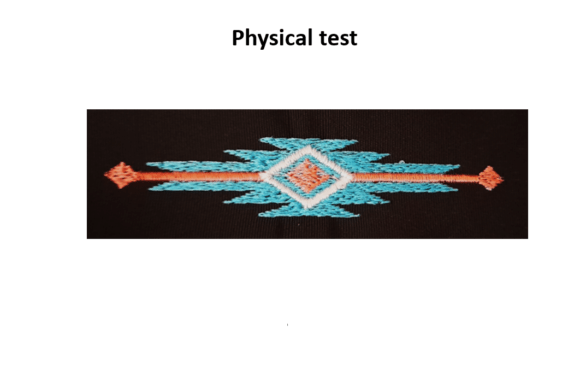
As an experienced embroidery designer with years of hands-on work in custom apparel and handmade goods, I’m always on the lookout for unique, high-quality machine embroidery designs that can elevate a project from ordinary to standout. When I came across the Native Embroidery Design, Western File by Creative Fabrica, its bold geometric style caught my eye immediately. This Southwest Tribal Diamond design is more than just another embroidery file — it has character, texture, and a visual language that speaks to both traditional and modern aesthetics.
First Impressions: A Bold Statement in Three Colors
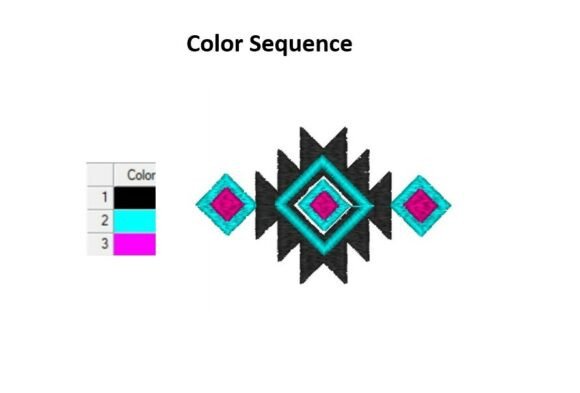
The moment I opened the digital preview of Native Embroidery Design, Western File, I knew this wasn’t your average tribal pattern. The use of black, turquoise, and a third complementary color creates a striking contrast that feels authentic yet contemporary. The diamond motifs are arranged with a rhythm that suggests movement and symmetry, making it ideal for anything from a statement tote bag to a subtle accent on a patch.
I was particularly impressed by how clean and intentional the lines are. Each stitch path seems carefully considered, avoiding unnecessary complexity while still delivering a strong decorative impact. The design’s stitching personality is confident and unapologetic — perfect for projects where you want the embroidery to be the focal point.
Practical Use Across Different Embroidery Projects
I’ve tested this design on a variety of real-world applications, including custom apparel, tote bags, and even kitchen towels. Here’s how it performed:
- Tote Bags: The geometric nature of the design worked beautifully on cotton canvas. It added a sense of artistry without overwhelming the fabric. With proper stabilizer, the stitches held up well after multiple washes.
- Sweatshirts: On a heavy-weight fleece, the design maintained its crisp edges and didn’t distort due to the fabric's stretch. The three-color scheme gave it enough depth to look professional but not too busy.
- Aprons: As a central motif on a denim apron, the design became a conversation starter. Its cultural roots and stylized form made it feel like a meaningful addition rather than just decoration.
- Pillow Covers & Baby Blankets: These softer items benefited from the design’s structured shapes. The fill stitch areas were smooth, and the overall look felt cohesive and elegant.
- Caps & Patches: For curved surfaces like baseball caps, the design adapted well when using appropriate hoop sizes. As an embroidered patch, it stitched cleanly and looked great after being heat-pressed onto a jacket.
What Stands Out?
One thing I appreciate about Native Embroidery Design, Western File is its versatility. It doesn’t scream for attention but confidently holds its place in a range of settings. Whether you're working on a handmade product or a commercial embroidery order, the design maintains a consistent visual appeal. The colors are rich and easy to distinguish, which helps with layering and detail clarity.
Challenges and Considerations
While this design is powerful, it does require careful planning depending on the project. Below are some practical insights I’ve gathered through trial and error:
- Small Hoop Sizes: If you’re stitching on a cap or small patch, consider scaling down the design while maintaining key details. Smaller elements may lose definition if not adjusted properly.
- Dense Stitch Areas: The design includes sections with tight satin stitch and fill patterns. On delicate or stretchy fabrics, these can cause puckering unless you use tear-away or cut-away stabilizers.
- Textured or Stretchy Fabrics: Always test the design on a scrap of your intended fabric. Textured materials like linen or burlap may show stitch inconsistencies, while stretchy knits need additional support to prevent distortion.
- Dark Fabric Contrast: The black thread stands out well against lighter backgrounds, but on dark fabrics, it might blend too much. Be sure to assess the thread colors in context before finalizing a project.
- Layered Details: If you plan to combine this design with other applique designs or text, check how the layers interact. The turquoise accents, in particular, could clash with other bright hues if not planned ahead.
Commercial and Etsy Applications
For Etsy sellers and small business owners, this design can serve as a signature element in your collection. It adds a touch of authenticity and artistic flair that customers notice. I used it in a recent line of western-themed personalized gifts, and it helped increase buyer trust because of its professional finish and cultural resonance.
When creating printable mockups for online listings, the design translates exceptionally well. Its bold lines and limited color palette make it camera-friendly, ensuring your product photography highlights the intricate work accurately. Just be sure to compare how it looks on both light and dark backgrounds to maintain brand consistency across your design assets.
Handmade Shop Owners and Boutique Merchants
Handmade shop owners will find this design especially useful for seasonal collections or themed items. The Southwest Tribal aesthetic fits naturally into fall, winter, or bohemian-style products. I’ve also seen it work well in nursery decor — the diamonds give a sense of structure and calm, which is ideal for baby items like pillow covers or aprons.
On the flip side, if you’re looking to create something that blends subtly into the background, this design might not be the best fit. It’s meant to stand out, so it works better as a feature rather than a filler.
How to Maximize Value and Engagement
Here’s what I recommend to get the most out of Native Embroidery Design, Western File:
- Test on Scrap Fabric: Before committing to a full production run or customer order, always do a test piece. This ensures the design behaves as expected on your specific material and machine.
- Review Stitch Density: Look at the stitch count per inch (SPI) in the design. High-density areas might require extra care with stabilizer to avoid pulling or warping.
- Confirm Hoop Size: Check whether your hoop can accommodate the design without needing to split it into parts. Some machines have limitations that aren’t always obvious until you start stitching.
- Use Proper Stabilizer: Especially important for stretchy or delicate fabrics. Tear-away works for cottons, but for synthetics or blended materials, consider using a combination of cut-away and mesh stabilizer.
- Inspect Small Details After Stitching: Because the design features repetitive diamond shapes, it’s easy to miss tiny flaws during editing. Always inspect the finished product under good lighting to catch any missed spots.
- Check Licensing Terms: Before selling any finished product that uses this design, make sure you understand the licensing information on the Creative Fabrica product page. It’s crucial for staying within legal boundaries, especially when scaling up production.
Final Thoughts
Native Embroidery Design, Western File is a standout machine embroidery design that brings a fresh take on tribal motifs. Its geometric simplicity makes it adaptable across many embroidery projects, and the three-color format keeps it manageable without sacrificing visual interest. From a design standpoint, it offers a unique way to add cultural inspiration to your work, while still fitting into modern trends.
Whether you're creating a personalized gift for a client or designing a new line for your handmade shop, this digital embroidery file is worth considering. Just remember to adapt it thoughtfully based on your materials and end-use goals. With a little preparation and attention to detail, Native Embroidery Design, Western File can become a valuable part of your creative toolkit.