Twirling Ballerina Embroidery Design Review
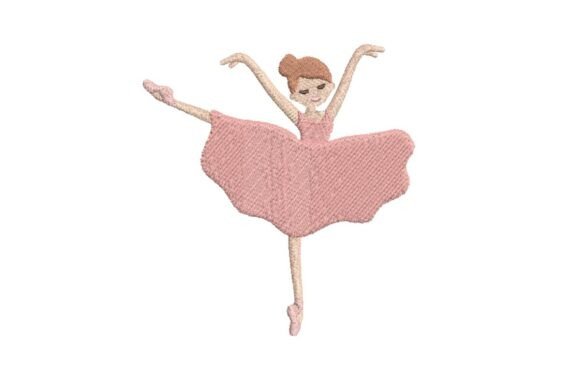
When I first opened the Twirling Ballerina Embroidery Design, it was clear this is a design with heart and motion. The dancer appears mid-turn, her arms gracefully outstretched, and the subtle details in her costume suggest an attention to realism that’s refreshing in the world of machine embroidery. It immediately evokes a sense of whimsy and elegance, which makes me think of how well it might work on a variety of projects — especially those aimed at children or dance enthusiasts.
A Visual and Emotional Impression
This design isn’t just another cute image stitched onto fabric; it has a story. The twirl captures a fleeting moment of performance, and the visual flow of the lines gives it a dynamic feel. As an embroidery designer, I appreciate when a file can stand alone as a meaningful piece rather than just being decorative filler. The layout is balanced and centered, which helps maintain visual harmony when placed on different surfaces. The detail level is moderate — enough to show off skill without becoming overly complicated for standard home embroidery machines.
The theme aligns beautifully with the Dance category, but its appeal goes beyond that. Whether you're making personalized gifts, boutique items, or even commercial products like tote bags or sweatshirts, this design brings a touch of artistry. Its personality is light, playful, and sophisticated all at once, which is a rare combination in machine embroidery files.
Real-Life Application: A Tote Bag Project
To test the practicality of Twirling Ballerina Embroidery Design, I imagined using it on a custom embroidered tote bag. These are often used for carrying books, groceries, or as daily accessories — so durability and stitch clarity are key. The dancer's pose fits well within a medium hoop size, and her elongated silhouette would look elegant along the top edge of a cotton canvas tote. The satin stitch outlining her form provides structure, while the fill stitch in her skirt adds softness and dimension.
I considered the customer experience here. Someone who receives a tote with this design would likely be drawn to its charm and uniqueness. It’s not just an accessory; it’s a conversation starter. For Etsy sellers or small shop owners, this kind of visual appeal can significantly increase buyer engagement and product value. The design feels like it belongs on a handmade product that celebrates individuality and personal expression.
Stitch Clarity and Fabric Compatibility
While the overall design is strong, there are areas where stitch clarity could become an issue depending on the fabric. The fine lines in the dancer’s limbs and the delicate swirls in her skirt require careful attention to thread color contrast and stitch density. On lighter-colored fabrics, especially cotton or linen blends, these details pop beautifully. But if stitched onto a dark or textured material, they may lose their impact unless you use a high-contrast thread palette and possibly add stabilizer underneath for better definition.
For a baby item or holiday gift, such as a onesie or ornament, I’d recommend simplifying the stitch types slightly and reducing density in some fill areas. This helps prevent overstuffing the fabric and ensures the design remains soft to the touch — important for comfort and wearability.
Where This Design Shines
The Twirling Ballerina Embroidery Design works best on flat, stable surfaces like tote bags, pillow covers, and aprons. It also holds up nicely on t-shirts and sweatshirts, especially when placed toward the chest area where movement is less pronounced. For digital product previews or printable mockups, the clean lines and defined shapes make it easy to scale and render effectively across different sizes and resolutions.
In terms of branding, this design could easily become part of a small shop’s signature style. Think of a boutique line of sweatshirt embroidery celebrating arts and culture. The twirling ballerina motif would resonate with parents looking for unique nursery decor or creative entrepreneurs designing personalized gifts for dancers and dance moms alike.
Projects to Consider Carefully
- Small Hoop Sizes: The design is fairly large, so it may need resizing. However, shrinking it too much can cause loss of detail, especially in the dancer’s face and the folds of her skirt.
- Stretchy or Thin Fabrics: Without proper stabilizer, the stitches may distort or pull through the fabric. Test carefully before committing to a production run.
- Curved Surfaces (e.g., Caps or Hats): The dancer’s pose is linear and upright, which may not translate well to curved embroidery areas. If you must place it on a cap, consider positioning it sideways or adjusting the stitch type to accommodate the surface.
- Products That Require Frequent Washing: Dense fill areas may shrink or pucker over time. Using a pre-washed fabric and appropriate backing stabilizer can help preserve the integrity of the design.
Design Notes from a Pro
As someone who regularly evaluates embroidery files for real-world use, I always start by testing a Twirling Ballerina Embroidery Design on scrap fabric. This lets me see how the threads lay and whether any adjustments are needed. I pay close attention to the transition between satin and fill stitches — they should blend smoothly without visible gaps or overlaps.
Thread color selection is crucial. While the original design probably includes a specific palette, I’ve found that tweaking it to match your brand or project theme can enhance its emotional resonance. Always check how the colors interact with both light and dark fabric backgrounds. A black and white mockup can also reveal hidden details or potential issues with contrast.
Reviewing the stitch density is another step I never skip. High-density fills can create stiffness, which might be desirable for a patch or pillow cover but problematic for something like a baby onesie. In commercial embroidery scenarios, ensuring the design maintains its quality after repeated washing and handling is vital for customer trust and long-term satisfaction.
Handmade Presentation and Brand Consistency
What sets Twirling Ballerina Embroidery Design apart is its ability to elevate a simple handmade product into something memorable. When applied thoughtfully, it can reflect a brand’s attention to quality and creativity. For craft business owners and Etsy sellers, this kind of presentation can build recognition and reinforce professionalism. The design doesn’t shout, but it does speak volumes about the care put into the final product.
If you're creating a line of nursery decor or holiday gifts, this design could serve as a central motif. Pair it with other ballet-themed elements like music notes, tutus, or stage lights for a cohesive collection. Just ensure that each design element complements the others in scale and style to maintain visual balance and brand consistency.
Final Thoughts for Real Projects
Using Twirling Ballerina Embroidery Design in your next embroidery project can bring a fresh, artistic flair to your offerings. It’s versatile enough for personal gifts and robust enough for commercial use, provided you take the necessary precautions. From tote bags to sweatshirts, and from patches to pillow covers, this design has the potential to make your products stand out — especially in the craft fair or online marketplace space.
Before stitching it onto your final product, confirm the hoop size, adjust the thread colors if needed, and don’t forget to review the license terms if you’re planning to sell finished items or digital embroidery files. Every good designer knows that preparation leads to better results, and this design is no exception.
Overall, the Twirling Ballerina Embroidery Design is a thoughtful addition to any embroidery designer’s library. With the right approach, it can transform everyday items into cherished keepsakes — or simply add a touch of grace to your next small shop product.